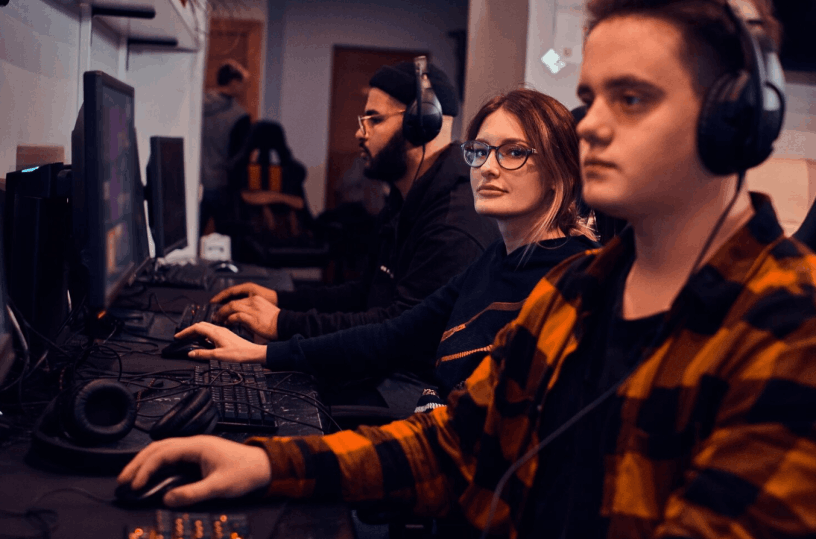
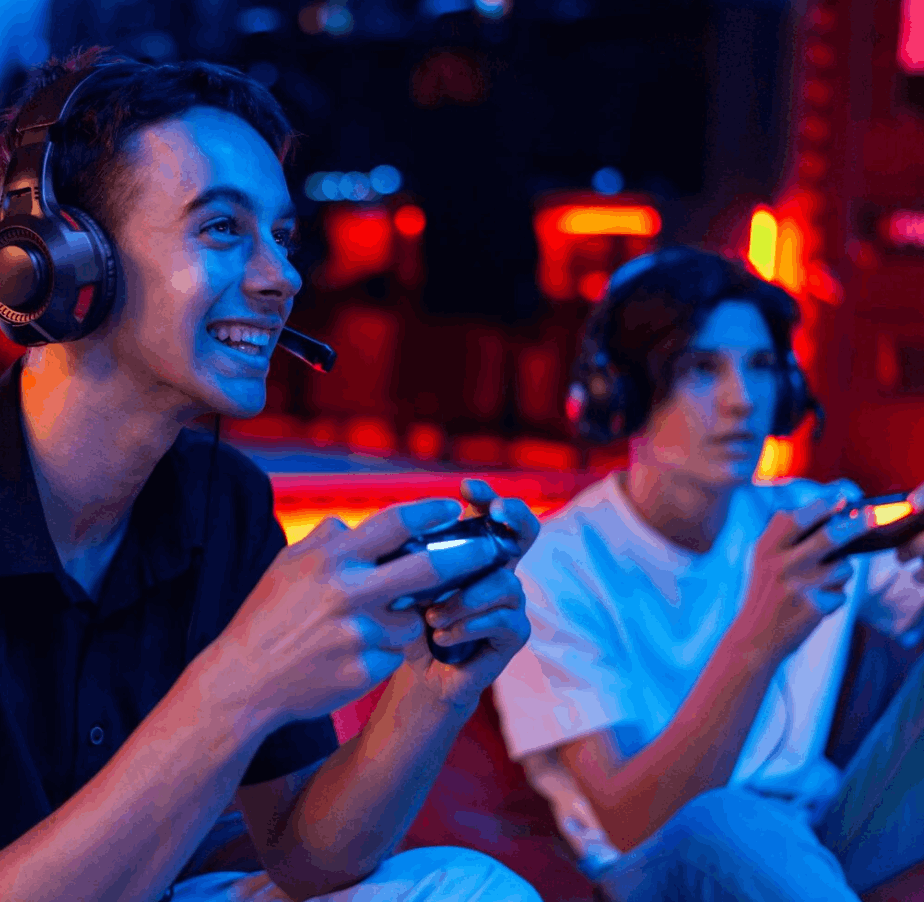
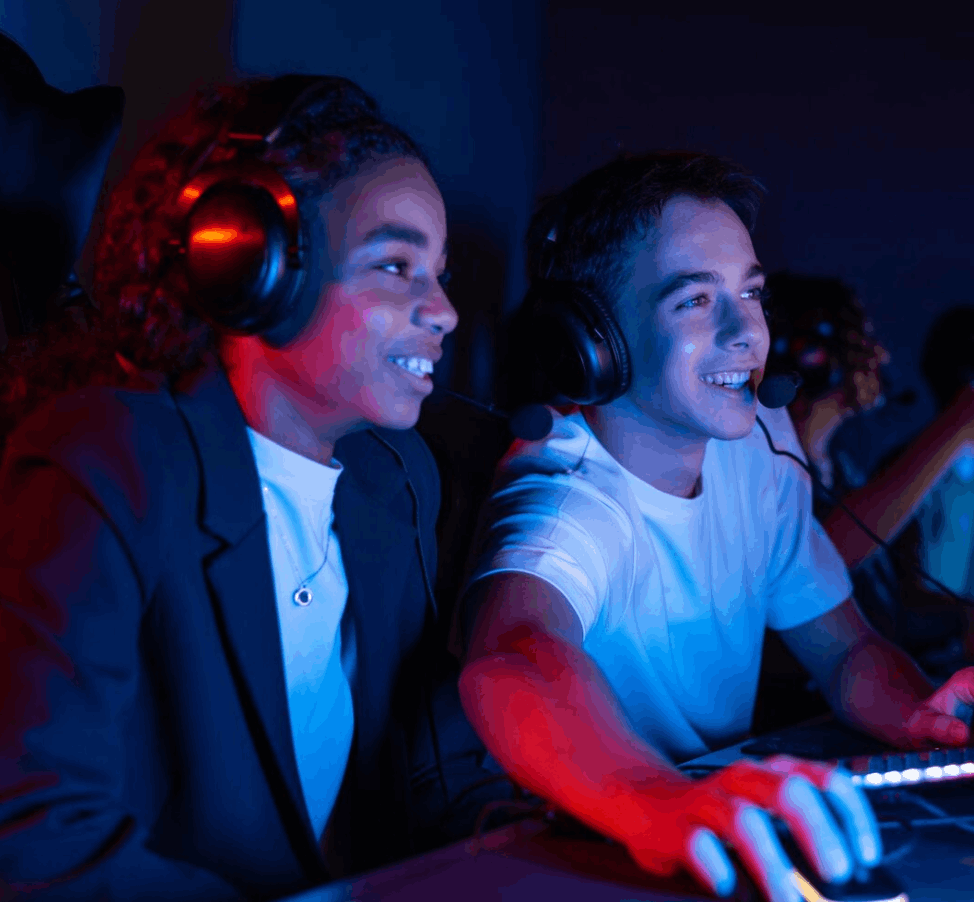
Player Bond is a dedicated publication analyzing the powerful role of social interaction in digital entertainment. We investigate how cooperative gameplay, clans and guilds, and in-game connections fundamentally shape motivation, retention, and enjoyment.
This article explores the psychological drivers that make playing with others so compelling, focusing on concepts like shared goals and mutual dependence. We analyze how game design leverages social motivation to encourage recurring logins and long-term investment in a game’s ecosystem. The piece specifically examines the transition from solo play to team play and the formation of lasting friendships in games.
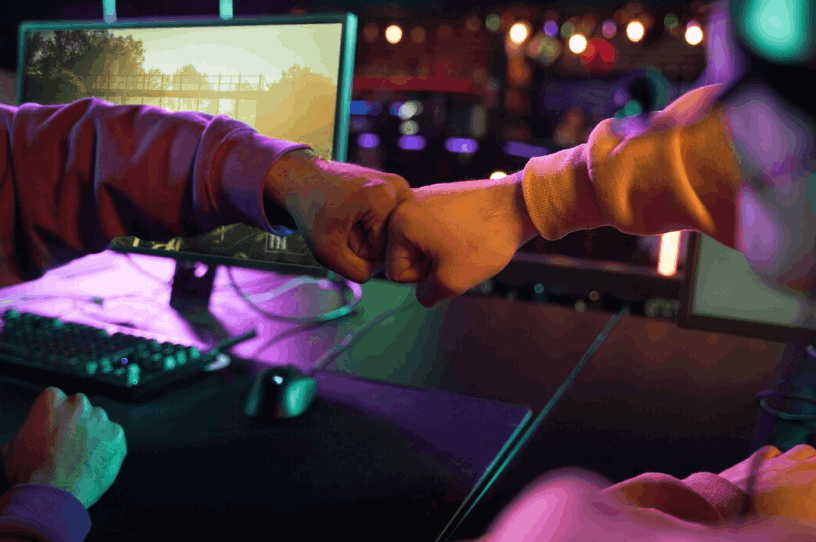
We deconstruct the architectural elements that successful games use to foster player-run communities like clans and guilds. The analysis covers tools for leadership, shared resources, and communal spaces that facilitate engagement through communication. This article details how these structures formalize in-game connections, creating a powerful sense of belonging and shared identity that anchors players to the game world.
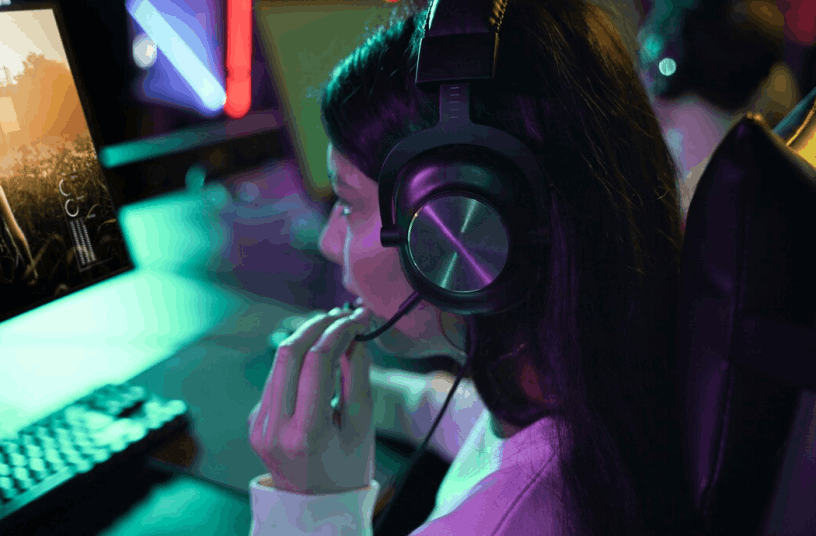
This publication investigates the direct correlation between integrated communication features and sustained player engagement through communication. Moving beyond simple chat with friends, we examine voice systems, ping mechanics, and non-verbal emotive tools that streamline cooperative gameplay. We present data on how effective social interaction tools reduce friction in joint missions and solidify in-game connections, directly impacting group success and satisfaction.
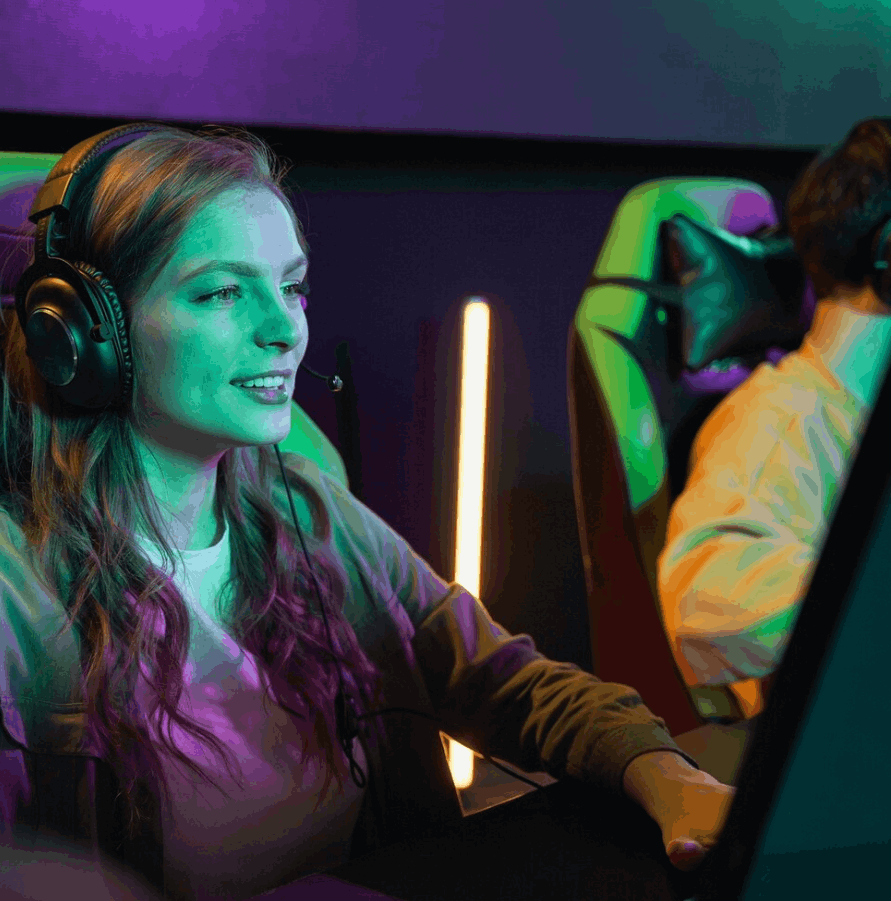
Cooperative gameplay is founded on the principle of interdependent success, where players must combine distinct abilities or strategies to overcome challenges designed for a group. This interdependence creates a web of social interaction that is far more complex and engaging than solo experiences, as individual actions have direct consequences for the team. The necessity for coordination and planning naturally fosters engagement through communication, turning a game into a shared social project rather than a solitary activity.
The structure of cooperative gameplay often revolves around joint missions or objectives that require specialized roles, such as a healer, tank, or damage dealer. This role specialization not only adds strategic depth but also reinforces the value of each participant, strengthening in-game connections through mutual reliance. Completing these difficult joint missions provides a shared sense of accomplishment that is profoundly more rewarding than individual achievement, cementing friendships in games and creating powerful positive memories associated with the game.
Beyond structured missions, the social motivation to simply spend time with others is a powerful retention tool. The game becomes a virtual “third place” where chat with friends and casual team play occur organically. This low-pressure social interaction is crucial for long-term engagement, as players return not just for the game’s content, but for the community within clans and guilds. Thus, cooperative gameplay evolves from a mere mode into the central social fabric of the player’s experience.
Cooperative gameplay requires communication and coordinated execution, pushing players to develop complex strategies. This collective problem-solving leads to a deeper, more satisfying mastery of the game's systems than solo play typically allows.
The social interaction and shared triumphs in joint missions forge strong in-game connections and real friendships in games. This emotional investment significantly increases player retention, as people return to maintain their social circles.
New players learn faster through observation and direct advice during team play. Clans and guilds often provide mentorship, creating a supportive environment for skill growth fueled by social motivation.
We envision a future where game development fully recognizes and designs for the primacy of social interaction as a core engagement pillar. Our analysis aims to demonstrate that features facilitating friendships in games and cooperative gameplay are not mere additions, but foundational elements that define a title's long-term cultural impact and vitality. We believe the most successful future games will be those that seamlessly integrate engagement through communication into their core loop.
We see clans and guilds evolving into more sophisticated and player-empowered social ecosystems within games. The future lies in providing communities with better tools for self-expression, organization, and in-game impact, deepening in-game connections. By studying these dynamics, we hope to encourage designs that move beyond simple chat with friends to create rich, collaborative social landscapes where team play feels natural and endlessly rewarding.
Ultimately, our vision is of gaming as a profoundly connective medium that strengthens real-world social interaction skills and empathy. We advocate for design that intentionally fosters positive social motivation, reduces toxicity, and leverages cooperative gameplay to build bridges. Through our work, we strive to highlight how joint missions in digital spaces can cultivate teamwork, communication, and lasting friendships in games that enrich players' lives beyond the screen.
We believe social interaction is the most powerful and under-analyzed driver of long-term player engagement and enjoyment in modern games.
We are dedicated to meticulously analyzing the design of cooperative gameplay mechanics and their impact on player behavior and community formation.
We research how the infrastructure for clans and guilds creates belonging and transforms games into persistent social spaces.
We advocate for game design that fosters engagement through communication and tools that encourage positive social interaction within team play.
Player Bond was founded in São Paulo by researchers and avid gamers passionate about the sociology of play. We operate from Brazil, a region with a vibrant and deeply social gaming culture, giving us a unique perspective on in-game connections and community. Our mission is to provide rigorous, accessible analysis on how friendships in games are formed, sustained, and leveraged by game design to create compelling experiences.
Our team consists of writers and analysts who combine academic insight with firsthand experience in cooperative gameplay across various genres. We methodically study how features like chat with friends, joint missions, and clans and guilds function in live service games. We translate complex observations about social motivation and team play into clear articles that benefit both players curious about their own behavior and developers seeking to build stronger communities.
We are an independent publication committed to deepening the conversation around gaming's social fabric. We believe that by understanding the mechanics of engagement through communication, we can contribute to a future where games are more inclusive, collaborative, and meaningful. Our work is driven by the conviction that the strongest in-game connections often lead to lasting real-world friendships in games, highlighting the positive societal potential of this medium.
Lucas Silva
Fernanda Costa
Rafael Souza
The most significant benefit is enhanced social motivation. Cooperative gameplay satisfies fundamental human needs for relatedness and competence, as succeeding in joint missions with others provides a stronger sense of accomplishment and belonging than solo play. This powerful social interaction is a key driver of long-term engagement.
Clans and guilds create formalized in-game connections and scheduled social interaction, transforming a game from a product into a community. The sense of obligation and identity formed within these groups provides a powerful social motivation to log in regularly, not wanting to let teammates down on joint missions or miss out on group chat with friends.
Absolutely. Friendships in games built through consistent cooperative gameplay and engagement through communication are real relationships rooted in shared experiences and teamwork. Many of these in-game connections evolve to include external social interaction on other platforms or even in-person meetings, demonstrating the genuine social bond formed through team play.
While robust systems help, persistent chat with friends (text or voice) is the foundational minimum. It enables the coordination essential for cooperative gameplay and the casual social interaction that builds friendships in games. Without a reliable way to communicate, forming in-game connections and executing joint missions becomes significantly more difficult, hampering social motivation.
Genres with inherent interdependence, like MMORPGs or team-based shooters, are naturally suited for cooperative gameplay that builds in-game connections. These genres often feature clans and guilds, difficult joint missions, and require team play, creating a perfect environment for engagement through communication and strong social motivation to develop.
Designers can encourage positive social interaction by creating game mechanics that reward helpful behavior, such as systems for mentoring new players or sharing resources. Implementing robust tools for engagement through communication and designing joint missions that necessitate diverse skills and verbal coordination naturally fosters constructive team play. Furthermore, providing strong community tools for clans and guilds allows players to self-moderate and cultivate their own positive spaces for in-game connections.
Av. Paulista, 1106 - Bela Vista, São Paulo - SP, 01310-100, Brazil